
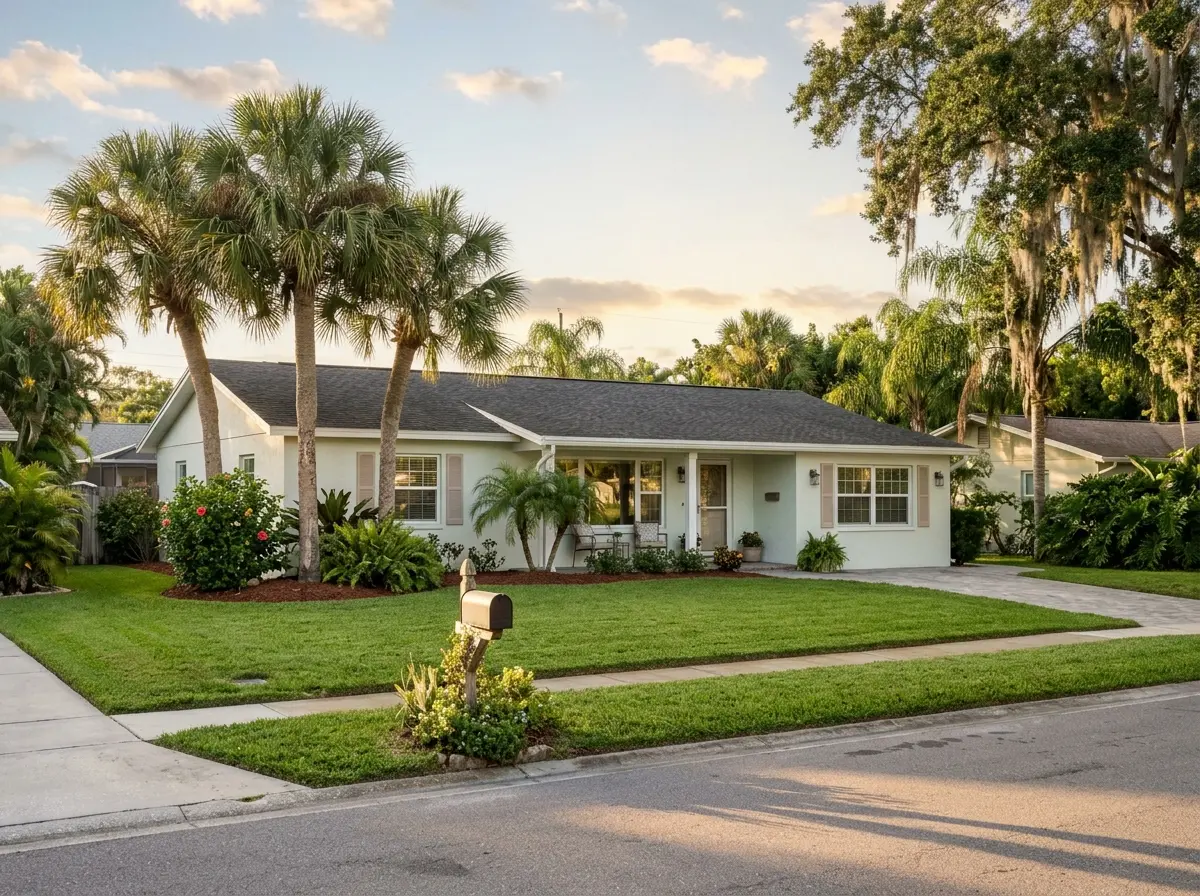

What is the Florida homestead exemption?
The Florida homestead exemption lowers the taxable value of your primary residence, which lowers your property tax bill. It applies only to the home you own and live in as your permanent residence, not to second homes or rental properties.
Until now, qualifying homeowners received up to roughly $50,000 off their assessed value. In November 2026, Florida voters approved Amendment 3, which significantly increases that amount.
What Amendment 3 changes
Amendment 3 passed with about 62% of the vote, above the 60% required for a constitutional amendment (FOX 13). Here is what it does:
- 2027: The homestead exemption for all non-school property taxes increases to $150,000.
- 2028: It increases again to $250,000.
- After 2028: The amount is adjusted for inflation.
- School taxes: The school portion of your tax bill is not included, so homeowners will still receive a tax bill.
- Non-homestead property: The annual cap on assessment increases for second homes, rentals and commercial property drops from 10% to 5% (CBS12).
Your 2026 tax bill, mailed this November, does not change. The savings begin with the 2027 tax year.
Do I need to reapply?
If you already have a homestead exemption, you generally do not need to reapply. Property appraisers are applying the increase to eligible properties automatically.
What if I’m new to Florida?
Timing matters. Buyers who are not Florida residents on December 31, 2026, will receive the existing exemption when they first qualify. The larger exemption begins in their fifth year of eligibility. If you are relocating to Tampa Bay, talk with your agent and a tax professional about how this affects your timeline.
How to file for homestead
If you bought your primary residence in 2026, file with your county property appraiser by March 1, 2027. To qualify, you must own and live in the home as your permanent residence as of January 1. In Pinellas County, you can file online through the Pinellas County Property Appraiser. Pasco and Hillsborough residents file with their own county property appraiser.
Have these ready when you apply:
- Your recorded deed
- A Florida driver license or ID showing the property address
- Florida vehicle registration, if you own a vehicle
- Voter registration, if registered
Two more benefits worth knowing
Save Our Homes cap. Once your home is homesteaded, the assessed value used for taxes can increase by no more than 3% per year, or the change in inflation if lower. This protects long-time owners from large jumps when market values rise.
Portability. If you sell your homesteaded home and buy another in Florida, you may be able to transfer some of your Save Our Homes savings, up to $500,000, to the new home. You must establish the new homestead within three tax years and file a portability application.
Frequently asked questions
Does homestead apply to a horse farm or acreage?
Yes, if it is your primary residence. Land used for agriculture may also qualify for a separate agricultural classification.
Will my taxes go to zero?
Not entirely. School taxes and certain non-ad valorem assessments still apply.
Does Amendment 3 help investors?
Investment properties do not receive the homestead exemption, but they benefit from the lower 5% assessment cap.
Thinking about buying or selling?
Amendment 3 changes the math on owning a home in Florida. If you are weighing a move, The Jonesy Group can walk you through what it means for your specific situation. Reach out to the Jonesy Group: call or text Jeff at 727-331-9565, Tami at 727-331-9515 or Karson at 727-348-9010.
This article is for general information and is not tax or legal advice. Consult your county property appraiser or a tax professional about your situation.